The ‘Rape Club’ Closed. The System Didn’t.
A new GAO report suggests FCI Dublin was no prison outlier.

“We were sentenced to prison, we were not sentenced to be assaulted and abused.” - FCI Dublin plaintiff.

When Rape is State Torture
California’s now-shuttered Federal Correctional Institution Dublin — widely known as the “Rape Club” — was deemed 100% compliant with the federal Prison Rape Elimination Act (PREA) even as the prison warden, chaplain, medic and six other employees sexually assaulted incarcerated women and retaliated against those who reported it.
Now, a new report from the Government Accountability Office sheds light on that failure, indicating the federal government’s safeguards against prison rape remain deeply limited: the audits meant to enforce “zero tolerance” standards are not actually designed to uncover or halt ongoing sexual abuse.
FCI Dublin formally closed in December 2024 after years of scandal. That year, 103 survivors received a landmark $115.8 million settlement from the U.S. Department of Justice — the largest ever awarded to incarcerated people in a sexual abuse case.
Another 294 women are expected to file suits against the Bureau of Prisons and Dublin staff in coming months, bringing the number of plaintiffs so far just shy of 400.
“The facility gained national attention in 2021 when then Warden Ray Garcia—who also directed training on the Prison Rape Elimination Act—was first charged...He was later sentenced to nearly six years in prison for abusing three female inmates.”
Early this month, local reports as well as the GAO study renewed attention on the former women’s prison and its legacy. California advocates and lawmakers continue efforts to block the facility from being repurposed by Immigration and Customs Enforcement, or ICE.
“Heinous and Pervasive”
The nonpartisan GAO found that, despite serious obstacles to reporting, all federal prisoners regardless of gender filed roughly 8,500 allegations of sexual abuse between 2012 and 2022. About half involved accusations against corrections staff. A full nine percent of those cases were substantiated, while fewer than one percent were determined to be unfounded; most however remained unresolved or lacked sufficient evidence for formal findings.
Under federal rules, prisons must undergo an external Prison Rape Elimination Act audit every three years. But the GAO report notes a striking limitation: auditors are not required to detect abuse inside facilities.
Instead, audits largely focus on whether prisons maintain the required policies and procedures — including informational posters, staff training and multiple avenues for reporting abuse — rather than whether sexual violence is actively organized or excused.
But there is no requirement for auditors to detect ongoing abuse. -- GAO
As a result, prisons have passed federal rape audits even while widespread abuse continued unchecked.
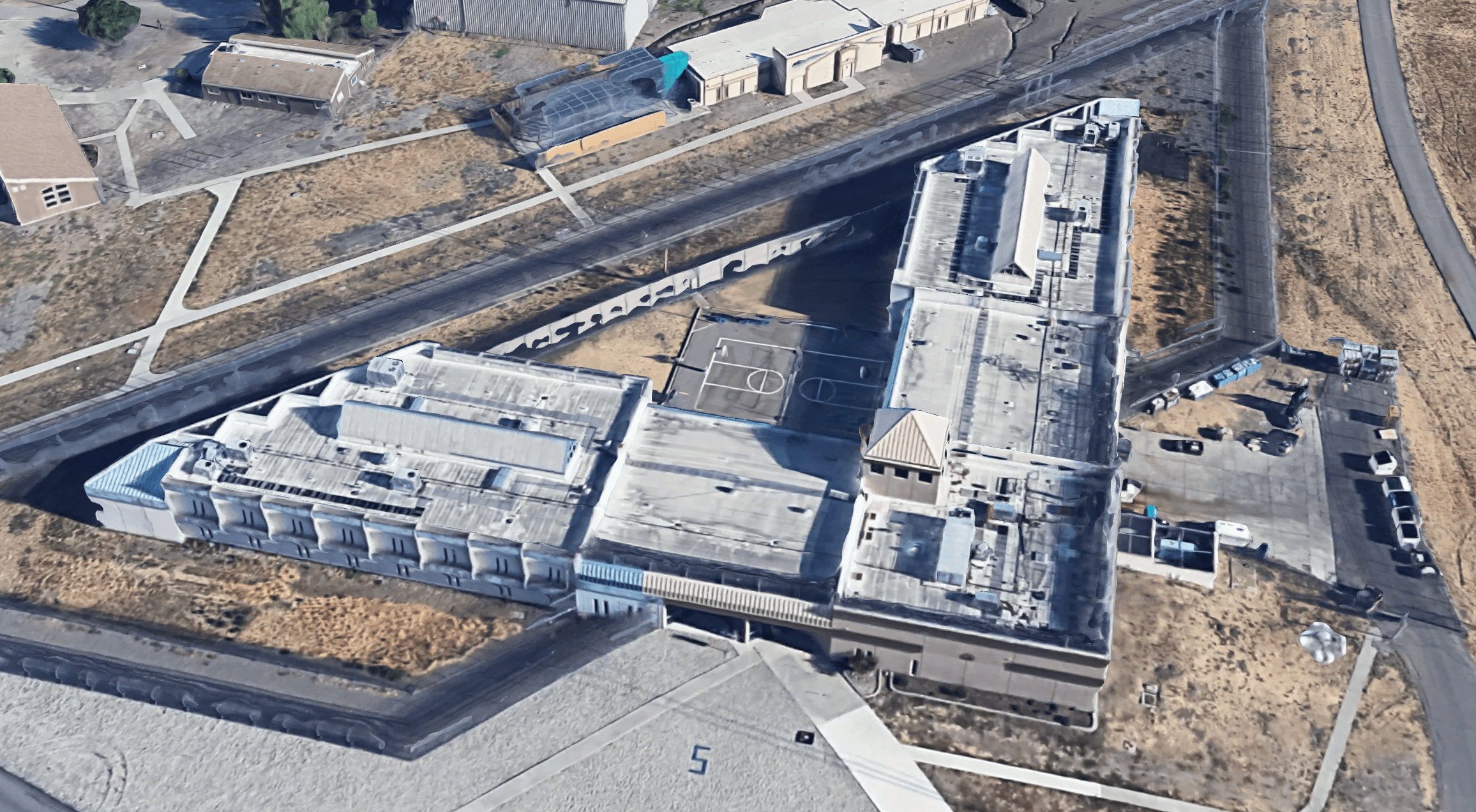
“Another [FCI Dublin] abuser was a prison chaplain, who taught classes about boundaries and self-worth, while sexually assaulting women in his chapel office.”
Ineffective from the Start
Congress passed the Prison Rape Elimination Act in 2003 after finding the nation was “largely unaware of the epidemic character of prison rape and the day-to-day horror experienced by victimized inmates.” In 2012, the Department of Justice adopted a final rule entitled “National Standards to Prevent, Detect, and Respond to Prison Rape.” Despite the name, the original language noted the standard was not outcomes-based, that is, it focused on policy and procedure because “it is difficult to employ [performance] standards effectively to combat sexual abuse in confinement where significant barriers exist to the reporting and investigating of such incidents.”
It should be no surprise that 23 years after the PREA, the GAO report indicates the auditing system measures signage more effectively than prison rape itself.
The Bureau of Prisons is entrusted with the health and safety of about 141,000 incarcerated individuals.
Meanwhile, the future of the former Dublin prison remains contested. The Rape Club reputation endures. Decaying infrastructure pollutes the groundwater.
Resolutions opposing ICE takeover of the site recently passed the Alameda County Board of Supervisors and the Dublin City Council, though the measures are largely symbolic because the prison sits on 87 acres of federal land.
Advocates want the facility demolished outright.
In 2021, federal estimates placed the cost of addressing the site’s leaking sewage system, mold and asbestos at roughly $50 million.
Related
May 5, 2026 | KRON 4 News
The Heinous Crimes Haunting Federal Prisons—Rape and Sexual Abuse
May 6, 2026 | Press Release - Government Accountability Office
Final FCI Dublin Officer Sentenced in Biggest Sex Abuse Scandal at US Prison
May 1, 2026 | KTVU Fox 2
Federal Prisons: Improvements Needed to Prevent, Detect, and Address Sexual Abuse
May 5, 2026 | Report of the Government Accountability Office
Inmates testify about sexual abuse at FCI Dublin women’s prison
January 5, 2024 | CBS - Bay City News Service